Market guide

Understand the San Jose real estate market before you move

An evergreen guide to how supply, demand, and property types shape buying and selling decisions — concepts that hold up whatever this month's conditions are.

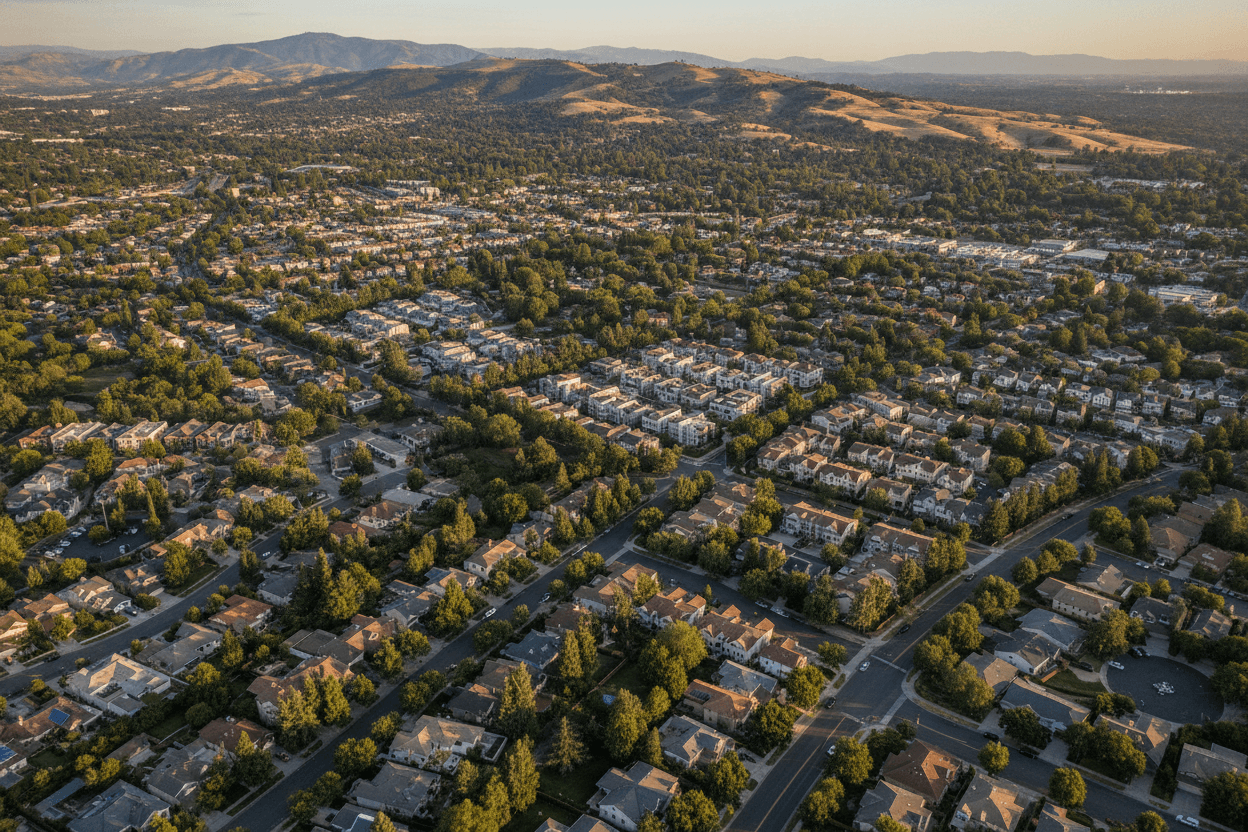
Illustrative aerial neighborhood context for a broad real estate market view
Illustrative neighborhood-scale context only; not an actual listing, forecast, or live market-data source.

Real estate is driven by supply and demand

Inventory is the number of homes available; demand is the number of buyers actively looking. Their balance shapes prices, pace, and negotiating leverage. Financing costs, employment, consumer confidence, and local economic conditions can also change how many people are ready to act, so a current conversation matters more than an undated forecast.

Supply

Homes actively for sale in the area — inventory buyers can choose from.

Demand

Buyers actively searching — the competition around each listing.

Hot market, cold market

Seller-leaning (hot)

  • Few homes available, many active buyers
  • Multiple buyers often compete for a single house
  • Houses tend to sell in a shorter time, often without repairs
  • Sale prices frequently land above the asking price
  • Speed and offer strength matter for buyers
Buyer-leaning (cold)

  • Many homes available, fewer active buyers
  • Sellers compete for attention; buyers have more choices and are more demanding
  • Houses take longer to sell
  • Sellers sometimes lower the price or make repairs to attract offers
  • Preparation and presentation matter more for sellers

Which condition applies today changes over time. Ask Francisco what he's seeing right now rather than trusting an undated claim.

Beyond supply and demand

The wider economy moves the market too

Other important factors affect the real estate market alongside local inventory. None of them is a forecast — they're the forces worth asking about whenever you're deciding to move.

  • 01

    Interest rates

    Federal Reserve policy and the cost of borrowing change what buyers can afford — high rates shrink buying power, lower rates expand it.

  • 02

    Jobs

    The jobs available in a region drive how many people need housing there and what they can spend.

  • 03

    Population

    Growth or decline in the number of people who want to live in an area shifts demand for its homes.

  • 04

    Industry and the consumer index

    Local industry health, consumer confidence, and broader social and economic conditions change how many people are ready to act.

For buyers

You determine your offer price

Your broker assists you with tools, experience, and suggestions — comparable activity, market temperature, and negotiating context — so the offer you choose is an informed one.

For sellers

You set the asking price

A complete market analysis grounds the decision: your property's position, comparable sales, and timing. Guidance, not guarantees, from analysis to close.

Know your property types

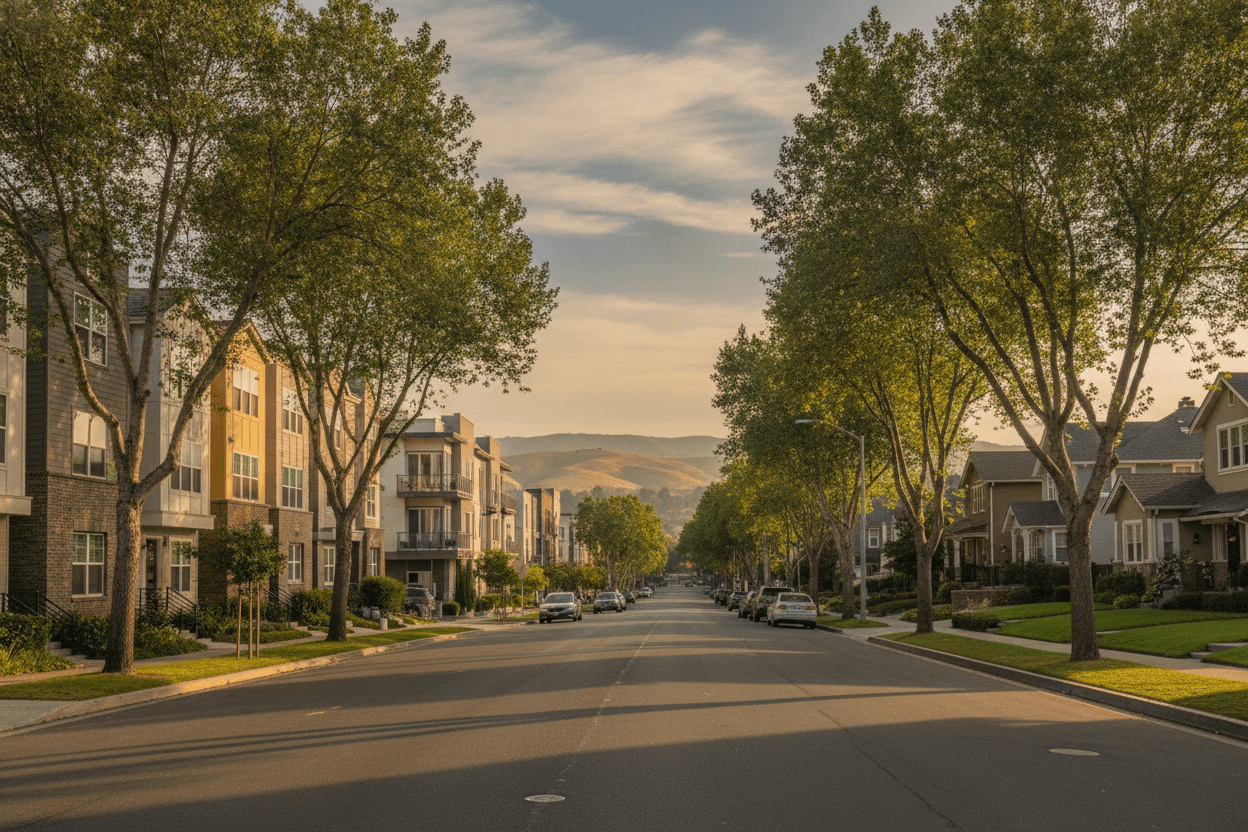
Illustrative street with attached and detached housing types
Illustrative property-type context only; not an actual listing or live market-data source.
  • 01

    Detached homes

    A free-standing house on its own lot. Detached properties usually have more space between one another, bigger backyards, and more parking — which is why many families find them the most desirable.

  • 02

    Attached homes

    Homes sharing one or more walls with a neighboring property. They often come with more restrictions and less space than a detached home.

  • 03

    Condominiums

    Also called a common interest development: you own your unit while jointly sharing pools, gyms, elevators, hallways, and other community features. A homeowners association manages exterior maintenance and administers the CC&Rs.

  • 04

    Townhomes

    Attached homes usually built on two or more floors with no neighbors above you — often with a private entry, and with shared-community obligations to review before an offer.

  • 05

    Duplexes

    Two units in one building — live in one, or hold both as an investment.

  • 06

    Multi-unit properties

    Larger residential buildings, usually purchased as investments.

Apartments are essentially the same kind of unit as condominiums, but in most cases they are residential rentals rather than owned homes. Renters share the common areas without paying the property taxes that condo owners do.

Ask what the market means for you

Conditions change; the concepts don't. Call Francisco for a current, local read on how today's market affects your plans.