Escrow, explained

What escrow means for your California home transaction

A plain-language guide to the stage between an accepted offer and the keys. Details vary by transaction — this is general information, not legal advice.

Escrow is the neutral middle

Escrow is a third party neutral to the transaction who handles the funds and documents in a real estate purchase for buyers and sellers. Once an offer to purchase has been accepted, escrow is opened — and the neutral party holds deposits and paperwork while both sides complete their obligations before the sale can close.

  • Collects taxes and other funds from buyers and sellers
  • Coordinates with title companies to insure title
  • Carries out both parties' instructions and handles the paperwork
  • Verifies all requirements are met before the transaction closes
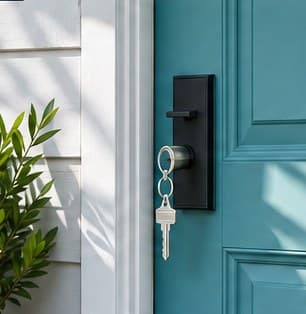
House key hanging from the lock of a teal front door

Four stages between contract and keys

  1. 01

    Earnest money

    Buyers deposit earnest money in escrow — a good-faith deposit held by the neutral party, credited toward the purchase at closing. The contingency period begins.

  2. 02

    Contingency period

    Inspections, disclosures, appraisal, and financing move on contractual deadlines for both sides. Time is of the essence — dates matter.

  3. 03

    Closing costs

    Both recurring costs (like prorated taxes and insurance) and non-recurring costs (like title insurance and the appraisal report) settle through escrow. Your lender or escrow officer quotes the specifics.

  4. 04

    Funding and recording

    When the loan is funded and the deed is recorded, escrow closes — and the buyer takes possession of the house.

Who does what during the contingency period

Buyers

Buyers have a specified time to inspect property conditions and clear their contingencies.

  • Order the inspections you want — preliminary title report, property, pest, roof, plumbing, and others
  • Plan for inspection expenses: most are the buyer's, except the mandatory NHD (natural hazard disclosure) report
  • Expect to pay for the appraisal report upfront in most cases
  • Comply with all purchase contingencies on the contract's timeline
  • Provide the escrow holder with required documents
  • Obtain loan approval

Sellers

Sellers must also satisfy the purchase contract's requirements on the same clock.

  • The escrow company provides a preliminary title report for the title insurance company's approval
  • Provide all required disclosures to buyers within the times specified in the purchase contract
  • Give buyers and their inspectors — roof and others — reasonable access to the property
  • Provide the escrow holder with required documents
  • Set an appointment with the escrow holder to sign final documents

Contingency periods apply to sellers and buyers alike. Failure to comply with the specified times could result in breach of contract — the purchase-contract forms are legal, binding documents.

How escrow actually closes

01

Final funds arrive

Additional deposits and closing-cost funds are deposited in escrow once all conditions of the purchase agreement have been met.

02

Both sides sign

Buyers set an appointment to review and sign loan and closing documents; sellers sign their closing documents.

03

The lender funds

Once the lender approves the final loan documents, the bank funds the loan and the balance of the purchase price is deposited in escrow.

04

The deed is recorded

The deed is recorded at the county recorder's office in the buyer's name. Escrow closes, the transaction is complete, and the buyers obtain the keys.

Two kinds of closing costs

Recurring closing costs

Expenses that happen at close of escrow and continue periodically afterward, monthly or yearly — such as prorated property taxes and insurance.

Non-recurring closing costs

Expenses that happen only one time at close of escrow — such as title insurance and the appraisal report.

General information only — not legal, tax, or financial advice. Details vary by transaction and contract. For transaction-specific questions, consult your lender, escrow officer, or a qualified professional.

Practical escrow questions

  1. 01When does escrow open?

    Once an offer to purchase has been accepted, escrow is opened. Buyers deposit earnest money and the contingency period begins.

  2. 02Who pays for inspections?

    Inspection expenses are generally the buyer's, except the NHD (natural hazard disclosure) report, which is a mandatory requirement. The appraisal report usually must be paid upfront by the buyer.

  3. 03What should buyers ask their escrow officer?

    Useful questions include your contingency deadlines, which documents escrow still needs from you, when closing funds are due, and what your closing statement will include.

  4. 04What should sellers ask?

    Ask when your disclosures are due under the contract, what the preliminary title report showed, which documents escrow needs, and when to sign final documents.

  5. 05When do the keys change hands?

    When the loan is funded and the deed is recorded at the county recorder's office, escrow closes and the buyer takes possession of the house.

Escrow questions? Ask before you sign.

Francisco walks clients through every escrow stage so nothing on the timeline is a surprise. General questions cost nothing — call anytime.